

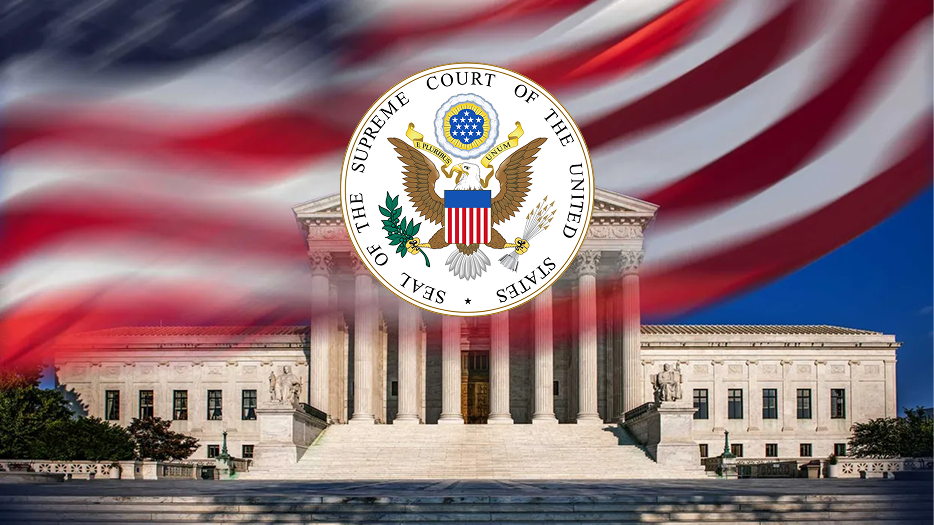
WASHINGTON, D.C. — The U.S. Supreme Court has reaffirmed the long-standing right to birthright citizenship, striking down former President Donald Trump’s executive order that sought to deny U.S. citizenship to children born to undocumented or temporary residents.
The Ruling
In a divided decision handed down Tuesday, the Court relied on the 14th Amendment, ratified after the Civil War, which states that “all persons born or naturalized in the United States” are citizens.
Chief Justice John Roberts, writing for the majority, said the Amendment’s promise still stands: “Citizenship, then and now, was the right to have rights—to freely participate in our political community. The Framers… extended that promise to ‘every free-born person in this land,’” he wrote. “We keep that promise today.”
The decision means that, with very limited exceptions, anyone born on U.S. soil remains an American citizen by birth, regardless of their parents’ immigration status.
What It Means for Citizenship & Residence
1. Status Quo Maintained: Jus soli, or “right of soil,” citizenship remains U.S. law. Children born in the U.S. to non-citizen parents, including those on temporary visas or without status, will continue to receive automatic citizenship.
2. No Immediate Change for Visa Holders and Expats: Nigerian and other foreign nationals who give birth in the U.S. on work, student, or visitor visas will not be affected by the blocked order.
3. Legal Precedent Reinforced: The ruling strengthens the 14th Amendment as the bedrock of U.S. citizenship law, making future broad restrictions more difficult to implement without a constitutional amendment.
This decision closes, for now, one of the most contested debates in U.S. immigration policy and preserves a citizenship pathway that has impacted millions of families worldwide for over 150 years.