
Is Waqf simply about building mosques, feeding the poor and donating to charitable causes? Or is there a much greater purpose behind this enduring Islamic institution? While immediate charity provides relief to those in need, Islam also encourages us to think about solutions that continue benefiting communities long after the initial act of giving. Waqf offers precisely this opportunity: transforming wealth into sustainable systems that support education, healthcare, economic empowerment and social development.
In this edition of Maladhu Thawar, we revisit the true objective of Waqf and explore how we can move beyond temporary assistance towards building lasting solutions for our communities.
When a community is faced with poverty, ignorance, unemployment, inadequate healthcare, and a lack of quality education, should we limit ourselves to helping those experiencing immediate difficulties through temporary assistance? Or should we establish a system that helps address both today’s problems and those of the future through lasting solutions? Or should we merely engage in lengthy theoretical discussions without taking practical action?
This is where the true purpose of waqf becomes clear.
Waqf is not merely about building mosques, nor is it limited to distributing food to the needy. Neither is it simply a matter of engaging in lengthy theoretical discussions. Rather, waqf is a means of dedicating wealth and assets for the lasting benefit of the community in accordance with the principles of Islamic Shariah.
Its primary objective is to use wealth to provide sustainable solutions to community problems across all aspects of religious and social life.
Allah, the Most High, says:
لَنْ تَنَالُوا الْبِرَّ حَتَّىٰ تُنْفِقُوا مِمَّا تُحِبُّونَ
“You will never attain righteousness until you spend from that which you love.”
(Surah Ali ‘Imran, 3:92)
The Messenger of Allah ﷺ also said:
“When a person dies, all their deeds come to an end except for three: ongoing charity, knowledge from which people benefit, or a righteous child who prays for them.”
(Sahih Muslim).
These Islamic teachings remind us of the importance of dedicating our wealth and establishing beneficial initiatives whose rewards and benefits continue over time.
Umar ibn al-Khattab (may Allah be pleased with him) owned a valuable piece of land in Khaybar. He sought the advice of the Messenger of Allah ﷺ on what to do with it.
The Prophet ﷺ advised him to preserve the original asset and dedicate its benefits to charitable purposes.
Umar (RA) followed this advice and established a waqf.
(Sahih al-Bukhari and Sahih Muslim).
This historical example teaches us that instead of limiting ourselves to temporary assistance, or continually saying, “I will do it; I will do it,” without taking action, it is better to begin by dedicating assets whose benefits can continue to help people over time.
Today, this principle can guide us in establishing vibrant mosques, schools, healthcare centres, rental properties, shops, waqf farms, and Mudarabah investment capital. The income and benefits generated by these assets can then be used to support the community in accordance with established conditions and objectives.
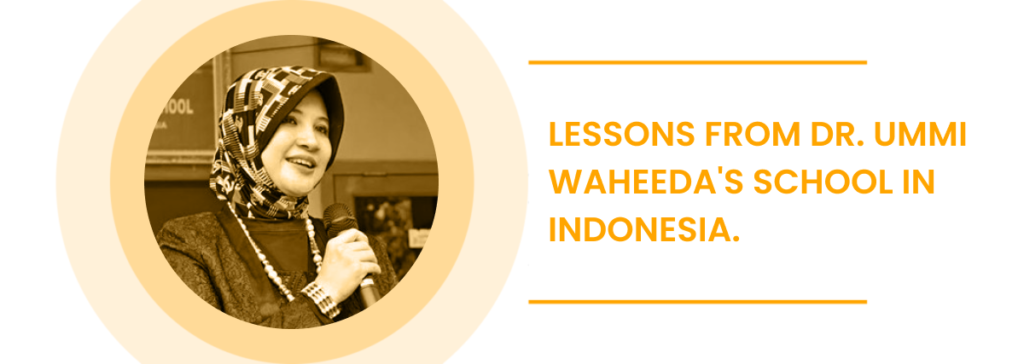
On Friday, 16 October 2026, a major conference was held at Bayero University, Kano, where Dr. Ummi Waheeda bint Abdurrahman delivered a lecture titled:
“Sustainable Community Empowerment through Waqf.”
The key lesson we should draw from the theme of this lecture is that the success of waqf should not be measured solely by the amount of money collected or the number of people who receive assistance. We must also consider the positive and lasting changes that waqf brings to people’s lives.
For example, when we provide food for an orphan, we meet an immediate need. However, when we also establish a waqf scheme that supports the orphan’s education until graduation, we help build that child’s future.
Similarly, waqf can help reduce the problems of poor healthcare, poverty, and unemployment when it is properly planned and managed with integrity.
This is the kind of thinking we should promote in Kano and other parts of Nigeria.
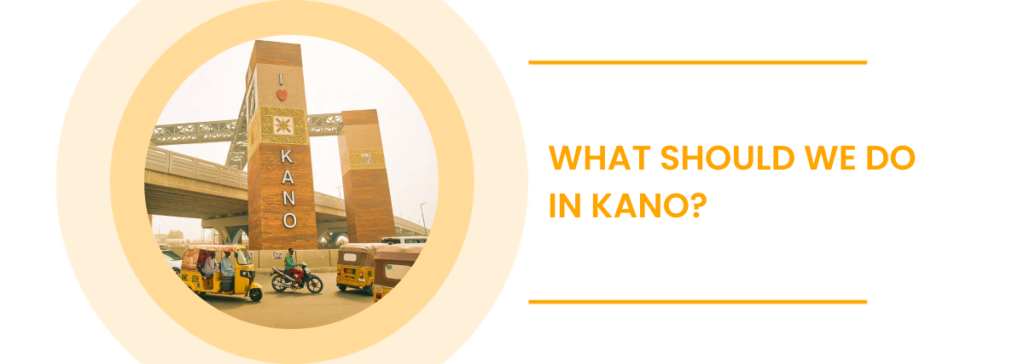
We should begin by asking ourselves the following questions:
- Why should we not establish an education waqf to support students from financially disadvantaged backgrounds?
- Why should we not develop a healthcare waqf to assist people who cannot afford medical treatment?
- Why should we not establish waqf rental properties, shops, farms, or small-scale (e.g., mudaraba investment)businesses to generate income for community development?
- Why should we not build a waqf system that combines emergency assistance with long-term, sustainable development?
Indeed, waqf requires good leadership, accountability, proper financial records, and effective planning. It is not simply about accumulating wealth; it is about managing assets responsibly so that they continue to generate the benefits for which they were dedicated.
A good example is the well-known well of Rumah, associated with Caliph Uthman ibn Affan (RA). Its history illustrates the enduring value of dedicating assets for public benefit. Today, the site is associated with substantial commercial and investment activity.
Conclusion
We must change our mindset from providing assistance that ends today, or merely saying, “I will do it, I will do it,” without taking action, towards building systems of charity that continue to benefit the community for generations.
Let us help the hungry obtain food, ensure that orphans receive care, enable students to access education, and help patients obtain medical treatment. At the same time, let us establish sustainable systems that can help address these problems in the future.
WAQF IS NOT MERELY ABOUT GIVING WEALTH AWAY; IT IS ABOUT BUILDING A SYSTEM THROUGH WHICH THE COMMUNITY CAN CONTINUE TO BENEFIT FROM THAT WEALTH IN A SUSTAINABLE WAY.
May Allah grant us the ability to understand the true purpose of waqf, make our wealth a source of lasting goodness, and enable us to contribute to solving the problems of our communities.
Ameen.
Credit:
Abbas Adam Abba
Chairman, Alburhan Waqf Initiative, Kano, Nigeria.
Tel: 08038569777
Email: abbasadamrz@gmail.com
A QUICK QUESTION BEFORE YOU CLOSE THIS.
Could Your Family Access Everything You’ve Built?
Most of us are working hard to build something for the people we love. But if you weren’t around, would they know where it all is, and could they carry out your wishes without stress or confusion?
Most people assume they’re covered. Then they look closer and find gaps they didn’t see coming.
The Family Legacy Readiness Score shows you where you stand in a few minutes: how ready your family is, what’s missing, and what to fix first.

Fiduciary Services Limited is committed to assisting Muslim clients in aligning their estate and business affairs with Islamic principles. Contact us today to ensure your legacy reflects your faith and values.
Get in touch with one of our professionals today by sending an email to contact@fiduciaryservicesltd.com. To book a FREE CONSULTATION click link: bit.ly/4sjQDLV
Shukran Jazeelan for reading.
Mercy Edukugho-Aminah
mercyaminah@fiduciaryservicesltd.com
+234 803 726 5961